Sealers: The Game Changer in Paver Maintenance
Paver maintenance has evolved significantly over the years, especially with the introduction of high-performance sealers that provide protection and visual enhancement far beyond what traditional cleaning methods could achieve. In the past, paver maintenance typically meant routine sweeping, pressure washing, and occasional joint sand replacement. While these steps are still important, they only address surface-level concerns. Modern sealing systems go further by creating a protective barrier that helps extend the lifespan of paving stones, preserve their color, and reduce long-term upkeep. This shift represents a broader movement in landscaping toward proactive protection, sustainability, and cost efficiency.
Understanding Paver Sealers
Paver sealers are specialized protective coatings applied to brick, concrete, or natural stone pavers to shield them from environmental damage while enhancing their appearance. They are formulated to meet specific performance goals, such as stain resistance, water repellency, UV protection, or aesthetic enhancement. Unlike older approaches to paver maintenance that focused solely on cleaning or reactive repairs, sealers provide a preventive layer of defense that works continuously between service intervals.
The core function of a paver sealer is to create a barrier that limits the penetration of water, oil, dirt, and organic materials into the surface. Because most pavers are porous, they readily absorb moisture and contaminants. Over time, this absorption can lead to staining, erosion, fading, and even cracking in freeze-thaw climates. Sealers fill microscopic pores within the material, dramatically reducing absorption and minimizing the potential for long-term damage. This protective layer not only guards against structural deterioration but also makes routine paver maintenance easier and more efficient.
Sealers are generally available in two primary categories: penetrating and film-forming. Penetrating sealers soak into the paver and create invisible protection within the material itself. They maintain the natural appearance of the surface while improving resistance to water and stains. Film-forming sealers, on the other hand, create a thin protective coating on top of the pavers. These options often enhance color and may add a satin or glossy finish. The choice between these types depends on aesthetic goals, traffic levels, and environmental exposure.
Benefits of Using Sealers
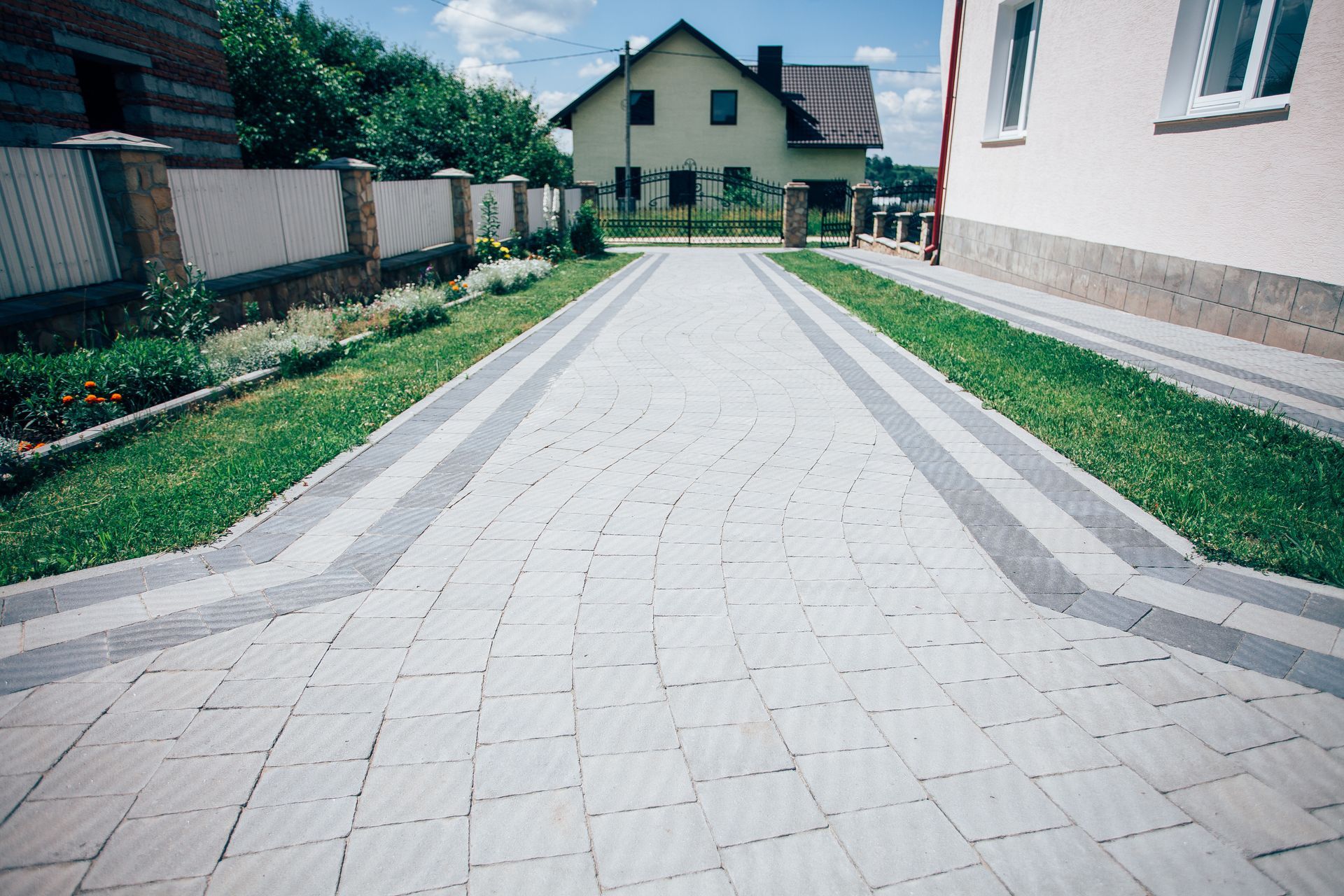
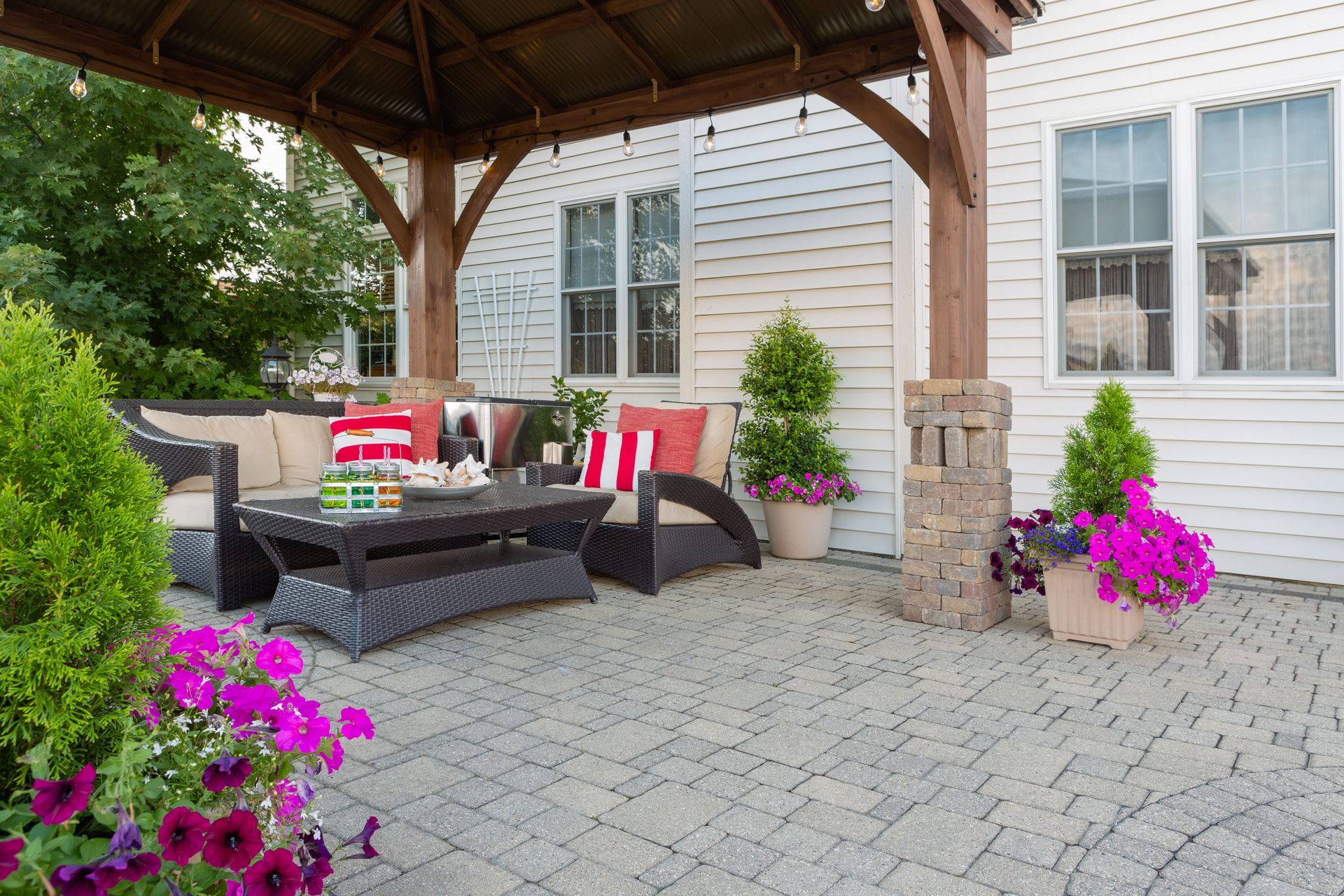
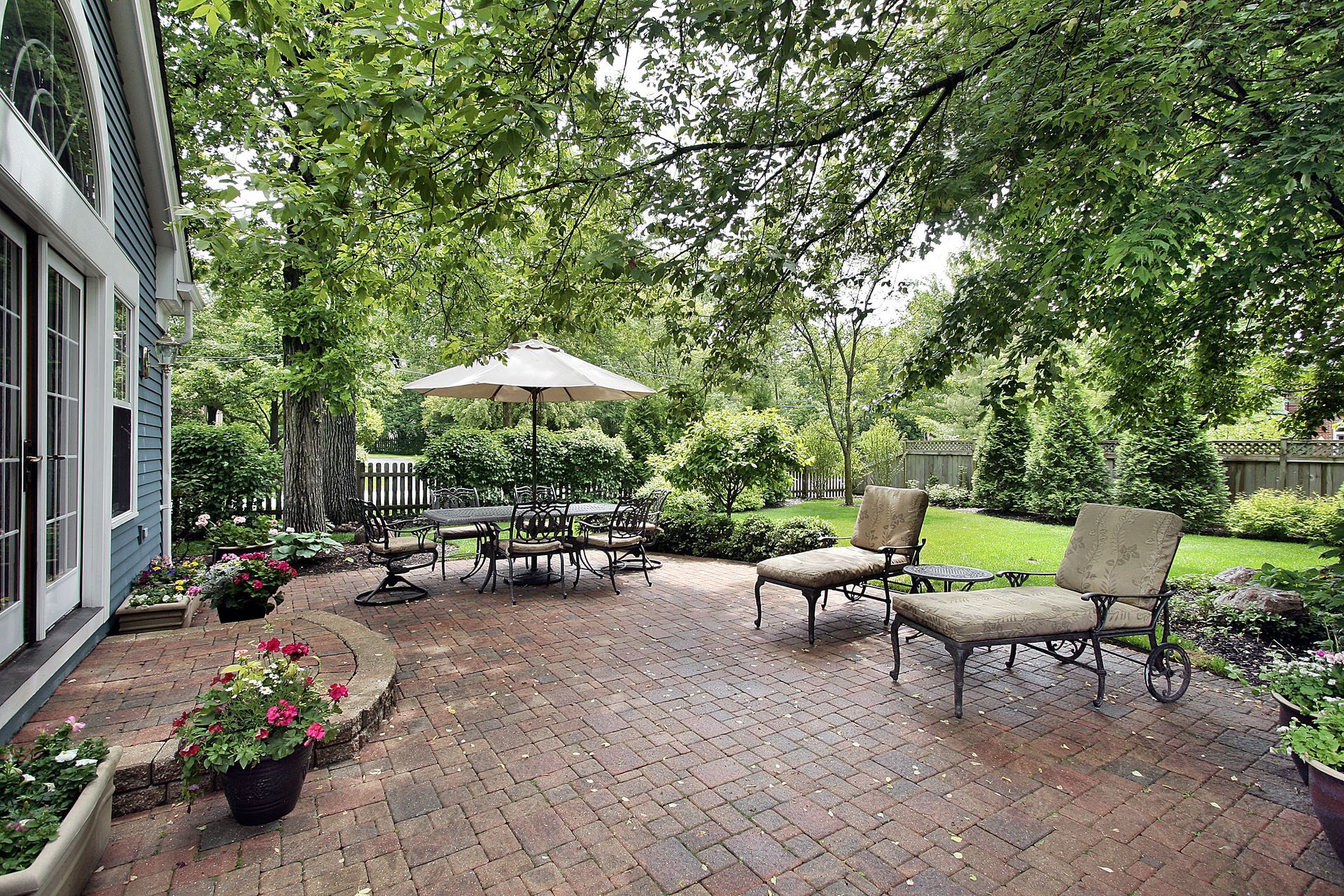
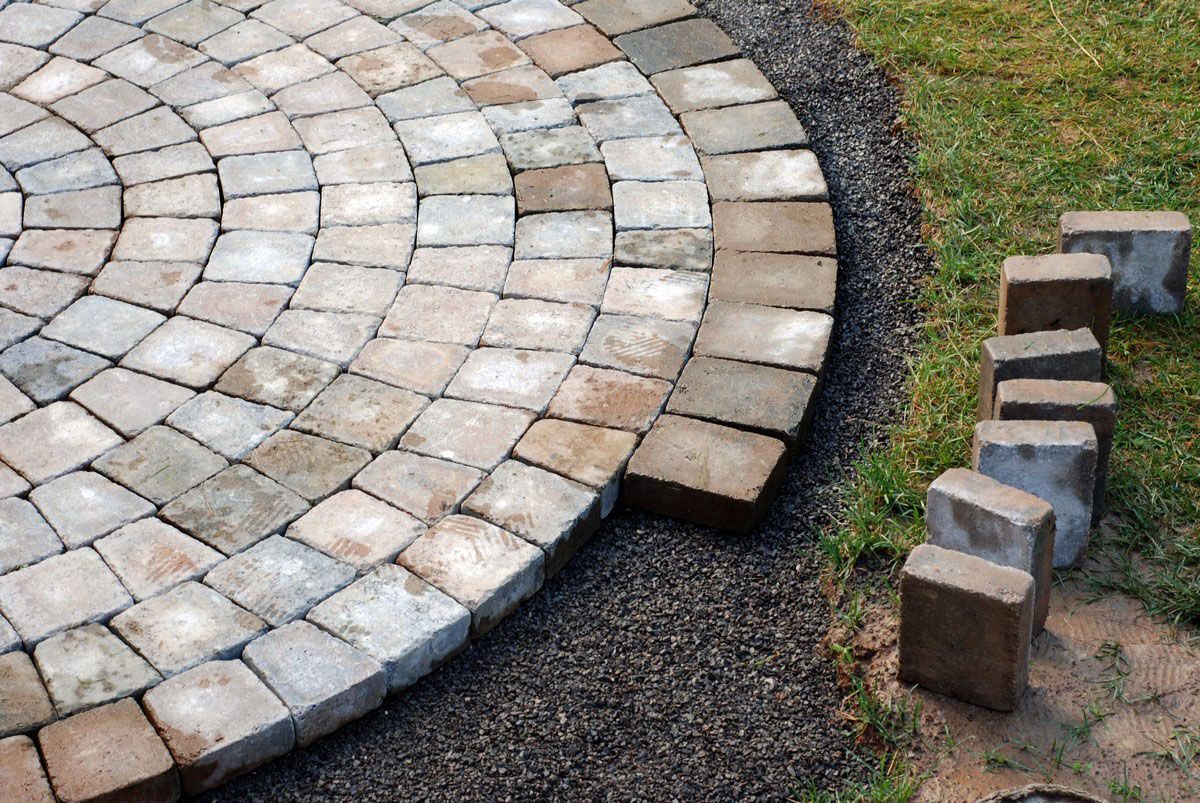
One of the most noticeable benefits of sealing is improved visual appeal. Sealers can deepen color tones, restore faded surfaces, and create a consistent, refreshed look across patios, walkways, and driveways. For older installations, this visual improvement can be dramatic. Sun exposure, rain, and foot traffic gradually dull the surface of pavers. By applying a quality sealer, homeowners can revive vibrancy and create a polished finish that enhances curb appeal and outdoor enjoyment.
Beyond aesthetics, sealers protect the structural integrity of the pavers. Environmental exposure slowly wears down unprotected surfaces, leading to surface erosion and joint instability. Sealed pavers are more resistant to abrasion, helping maintain crisp edges and defined textures. This protection is particularly important for decorative patterns and high-traffic areas where wear is more pronounced. With sealing integrated into a long-term paver maintenance plan, surfaces maintain their integrity and design for many more years.
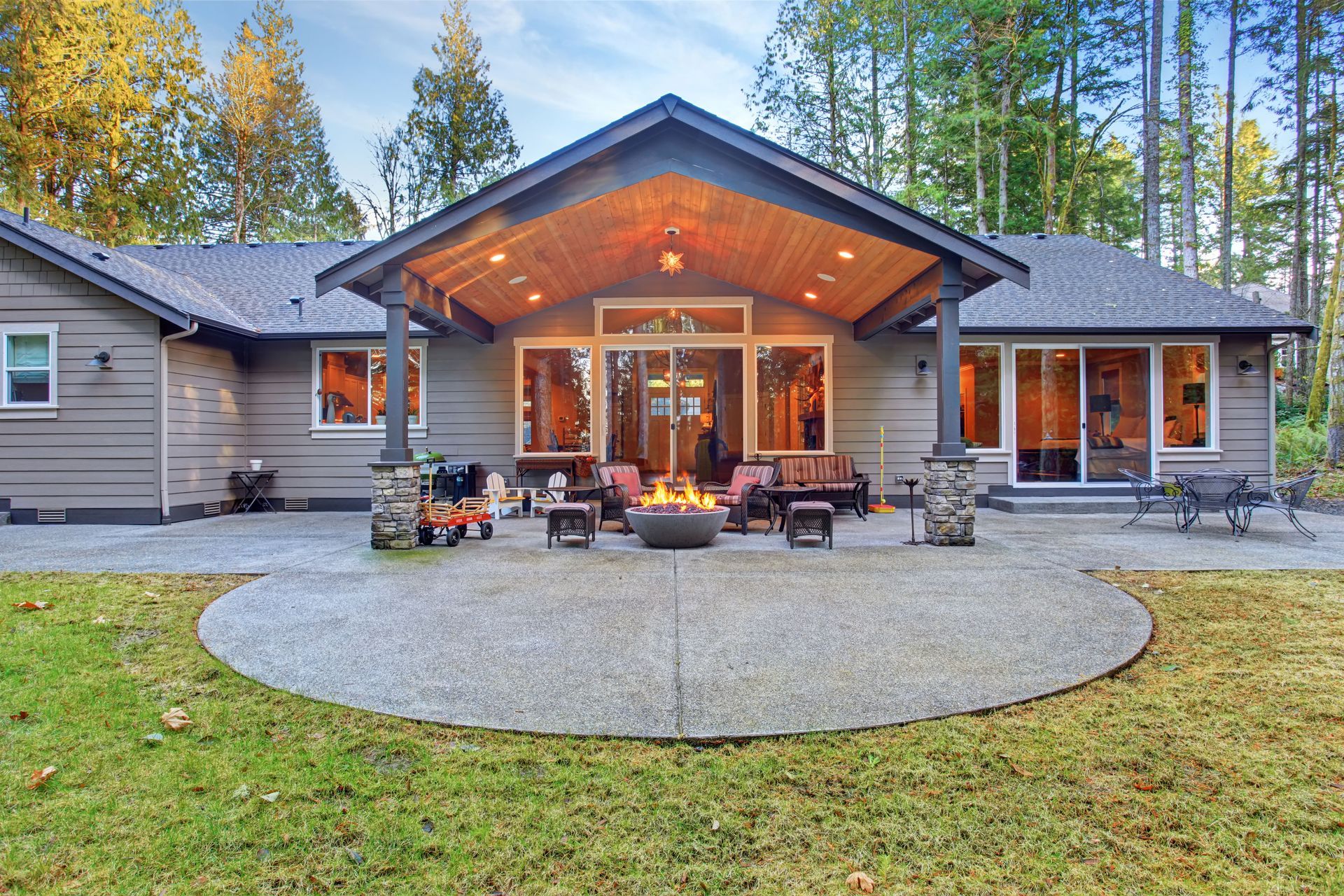
The aesthetic improvements also influence how outdoor spaces are used. Clean, vibrant pavers contribute to a more inviting patio or driveway environment. In residential real estate, well-maintained hardscapes can improve curb appeal and leave a positive impression on potential buyers. In this sense, sealing is not merely cosmetic; it is an investment in both functionality and long-term property value.
The protective qualities of sealers extend well beyond surface shine. Pavers are continuously exposed to rain, snow, UV radiation, oil drips, leaf tannins, and temperature fluctuations. According to Eco Gardener, applying a penetrating or film-forming paver sealer every two to three years for concrete or brick, and every three to five years for natural stone, creates a protective layer that discourages staining and marks caused by oil, rust, or organic debris from absorbing into the material. This fact underscores how regular sealing dramatically improves durability compared to leaving pavers untreated.
Moisture intrusion is one of the most damaging forces affecting hardscapes. Unsealed pavers absorb water, and in colder climates, that water can freeze and expand, causing cracks and surface spalling. Over time, this leads to costly repairs and premature replacement. Sealing minimizes water penetration, reducing the risk of freeze-thaw damage and maintaining structural stability. When incorporated consistently into paver maintenance routines, sealing acts as a safeguard against seasonal stress.
Sunlight presents another challenge. Ultraviolet rays gradually fade pigments in both concrete and natural stone. Sealers formulated with UV inhibitors filter out damaging rays, helping preserve original coloration. This benefit is especially valuable for driveways and open patios that receive full sun exposure year-round. Maintaining color consistency contributes to a clean, well-kept appearance and reduces the need for restorative treatments.
Financially, sealing provides long-term cost savings. Preventing stains, cracks, and erosion reduces the frequency of repairs and extends the overall lifespan of the installation. While there is an upfront cost associated with sealing, it often offsets the expense of premature resurfacing or replacement. A proactive paver maintenance strategy that includes scheduled sealing can significantly reduce long-term ownership costs.
Different Types of Sealers and Their Applications
Water-based and solvent-based sealers represent two primary formulation types. Water-based sealers are known for their lower environmental impact and minimal volatile organic compound (VOC) emissions. They are commonly chosen for residential settings where air quality and environmental considerations are priorities. Typically, water-based products produce a natural or matte finish that subtly enhances color without excessive gloss.
Solvent-based sealers, in contrast, tend to create a richer, glossier appearance and often provide enhanced durability in high-traffic areas. These sealers penetrate effectively and form a resilient protective layer that withstands vehicle traffic and heavy use. However, because they contain higher VOC levels, proper ventilation and professional application practices are important. For driveways and commercial properties, solvent-based options can deliver robust performance within a structured paver maintenance schedule.
Penetrating sealers deserve special attention due to their invisible protective qualities. Rather than forming a visible coating, they chemically bond within the pores of the material, creating internal water repellency. This allows the surface to retain its natural texture and slip resistance while still benefiting from moisture protection. In climates prone to heavy rain or humidity, penetrating sealers can be an ideal choice for preserving both function and appearance.
Film-forming sealers, by comparison, sit on top of the surface and can intensify color while providing a noticeable finish. They are often selected when homeowners want a wet look or enhanced sheen. These sealers can also help stabilize joint sand, reducing erosion between pavers. Selecting the right product involves evaluating traffic levels, climate, aesthetic goals, and long-term maintenance plans.
Regardless of formulation, the effectiveness of sealing depends on proper preparation and application. Surfaces must be thoroughly cleaned, allowed to dry, and treated under appropriate weather conditions. Reapplication intervals should follow manufacturer guidelines and industry recommendations, including those referenced by Eco Gardener. When performed correctly and consistently, sealing becomes a cornerstone of responsible paver maintenance rather than a one-time improvement.
Sealers have fundamentally transformed how property owners approach paver maintenance. Instead of relying solely on reactive cleaning and repairs, modern sealing solutions provide proactive protection against moisture, stains, UV damage, and wear. Backed by recommendations such as Eco Gardener's guidance on reapplication intervals, sealing delivers measurable improvements in durability and longevity. By incorporating regular sealing into a structured maintenance plan, homeowners can preserve the beauty, stability, and value of their outdoor spaces for years to come, ensuring their paver installations remain both visually appealing and structurally sound. For more information about the services that we offer, reach out to our incredible team at Blackstone Inc. today!
Share On: